
"coffee propagation"
210 article(s) found

How does the sour and bitter in coffee come from?
Many thermal and chemical reactions take place during baking: decarbonation, dehydration of quinic acid, subdivision, isomerization, polymerization, and complex sugar reactions (caramelization).
Basic chemical reactions that occur during coffee roasting
Many thermal and chemical reactions take place during baking: decarbonation, dehydration of quinic acid, fragmentation, isomerization, polymerization, and complex sugar reactions (caramelization). The main thermally reactive components are monosaccharides and sucrose, chlorogenic acid, displaced amino acids, and trigonelline amide. Both aravinone and calactose in polysaccharides are transferred, and basic sulfurization contains hydroxyamino acids.
The basic chemical reaction of coffee roasting process
Many thermal and chemical reactions take place during baking: decarbonation, dehydration of quinic acid, subdivision, isomerization, polymerization, and complex sugar reactions (caramelization). The main components of the thermal reaction are monosaccharides and sucrose, chlorogenic acid, free amino acids, and fenugreek amide. Both aravinose and calactose in the polysaccharides are transferred, and the basic vulcanization contains hydroxylated amino acid.
The basic chemical reaction that takes place during coffee roasting.
Many thermal and chemical reactions take place during baking: decarbonation, dehydration of quinic acid, subdivision, isomerization, polymerization, and complex sugar reactions (caramelization). The main components of the thermal reaction are monosaccharides and sucrose, chlorogenic acid, free amino acids, and fenugreek amide. Both aravinose and calactose in the polysaccharides are transferred, and the basic vulcanization process includes hydroxylamine.

The basic chemical reactions that take place during coffee roasting
Many thermal and chemical reactions take place during baking: decarbonation, dehydration of quinic acid, subdivision, isomerization, polymerization, and complex sugar reactions (caramelization). The main components of the thermal reaction are monosaccharides and sucrose, chlorogenic acid, free amino acids, and fenugreek amide. Both aravinose and calactose in the polysaccharides are transferred, and the basic vulcanization process includes hydroxylamine.

Basic chemical reactions of coffee beans during coffee roasting
Many thermal and chemical reactions take place during baking: decarbonation, dehydration of quinic acid, subdivision, isomerization, polymerization, and complex sugar reactions (caramelization). The main components of the thermal reaction are monosaccharides and sucrose, chlorogenic acid, free amino acids, and fenugreek amide. Both aravinose and calactose in the polysaccharides are transferred, and the basic vulcanization process includes hydroxylamine.

The basic chemical reactions that take place during coffee roasting
Many thermal and chemical reactions take place during baking: decarbonation, dehydration of quinic acid, subdivision, isomerization, polymerization, and complex sugar reactions (caramelization). The main components of the thermal reaction are monosaccharides and sucrose, chlorogenic acid, free amino acids, and fenugreek amide. Both aravinose and calactose in the polysaccharides are transferred, and the basic vulcanization process includes hydroxylamine.

The basic chemical reactions that take place during coffee roasting.
Many thermal and chemical reactions take place during baking: decarbonation, dehydration of quinic acid, subdivision, isomerization, polymerization, and complex sugar reactions (caramelization). The main components of the thermal reaction are monosaccharides and sucrose, chlorogenic acid, free amino acids, and fenugreek amide. Both aravinose and calactose in the polysaccharides are transferred, and the basic vulcanization process includes hydroxylamine.
The basic chemical reaction of coffee technology in the process of coffee roasting
Many thermal and chemical reactions take place during baking: decarbonation, dehydration of quinic acid, subdivision, isomerization, polymerization, and complex sugar reactions (caramelization). The main components of the thermal reaction are monosaccharides and sucrose, chlorogenic acid, free amino acids, and fenugreek amide. Both aravinose and calactose in the polysaccharides are transferred, and the basic vulcanization process includes hydroxylamine.

A brief introduction to the flavor, taste and aroma characteristics of Katim's boutique coffee beans.
Catimor: in 1959, the Portuguese mixed Brazilian Kaddura and Timo to develop a disease-resistant Katim / Katimo, which is now an important variety of commercial beans. Yunnan small grain coffee is a 3-year-old 4-year-old fruiting tree. Coffee is a short-day plant. Coffee has the characteristics of multiple flowering and concentrated florescence. Small seed coffee florescence in Yunnan from February to July
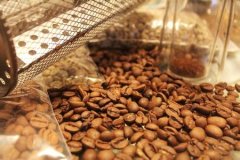
The basic chemical reaction that takes place during coffee roasting.
Basic chemical reactions that occur during coffee roasting author: Carl Staub originates from the SCAA baking color classification system, developed by Agtron SCAA 1995 original text from: http://www.sweetmarias.com/roast.carlstaub.html translation: Grant, http://www.baristacn.com/forum/thread-1583-1-1.html in the roasting process
The origin of Ethiopian coffee
The secret of Ethiopian coffee beans: coffee was not originally called coffee. In Ethiopia, there is a province called Kafa province, which produces a kind of plant fruit, which has mellow, sweet, fruity, sour and bitter flavors, and has a refreshing and calming effect after eating. European colonists brought the plant to Europe when they plundered the African continent. At the same time, the Arab countries

A brief introduction to the flavor, taste and aroma characteristics of Katim boutique coffee beans suitable for deep baking
Coffee is a semi-shaded tree species, it is recommended to establish a moderate shade degree of 3040%. In the site environment of growing coffee in our province, it is generally difficult to solve the problem of water conservancy and irrigation. the water season is in the dry season, and it is also the season to compete with other crops for water. It is not easy to rely on irrigation to meet the water demand in the coffee field. It is necessary to loosen the soil in time after the end of the rainy season and adopt dead objects on the ground.

Beans are divided by seed, RUIRU 11
Professional coffee knowledge exchange more coffee bean information please follow the coffee workshop (Wechat official account cafe_style) Lulu Yilu (RUIRU) 11 high-yielding dwarf hybrid varieties resistant to leaf rust and berry disease. Released in Kenya. Ruiru 11 is a compact and high-yielding variety cultivated in Kenya that allows for higher density and reduces losses caused by diseases and insect pests. nineteen
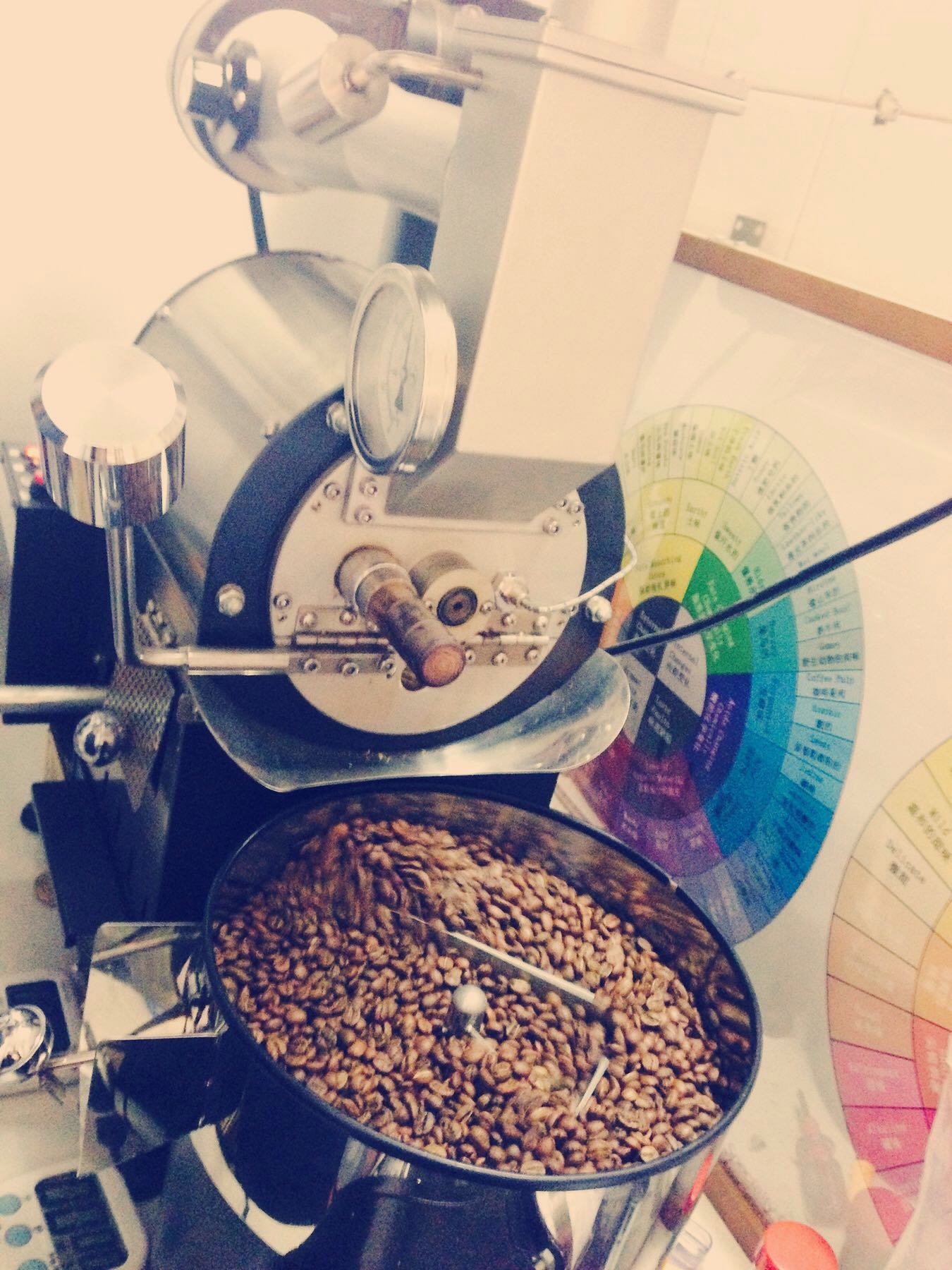
Key points of coffee roasting techniques: basic chemical reactions that take place during coffee roasting
Basic chemical reactions that occur during coffee roasting author: Carl Staub originates from the SCAA baking color classification system, developed by Agtron SCAA 1995 original text from: http://www.sweetmarias.com/roast.carlstaub.html translation: Grant, http://www.baristacn.com/forum/thread-1583-1-1.html in the roasting process
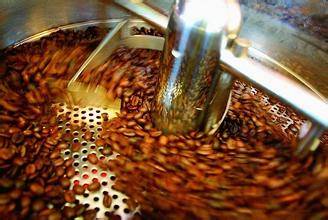
The basic chemical reaction that occurs during coffee roasting. The ingredients produced by the degree of coffee roasting.
Basic chemical reactions that occur during coffee roasting author: Carl Staub originates from the SCAA baking color classification system, developed by Agtron SCAA 1995 original text from: http://www.sweetmarias.com/roast.carlstaub.html translation: Grant, http://www.baristacn.com/forum/thread-1583-1-1.html in the roasting process

Variety Classification of Typica Tiebika Coffee beans is Yunnan Ironhide Card a classic 1952 tin card?
Professional coffee knowledge exchange more coffee bean information please follow the coffee workshop (Wechat official account cafe_style) La vaiedad Typica iron card coffee beans A la variedad typica podra definirse como la madre de todas las variedades, ya que a partir de ella se han desarrollado, por mutacin nat
How do you grow coffee beans? What kind of planting environment is needed for excellent coffee fruit? How to correct
Professional coffee knowledge exchange more coffee bean information please follow the coffee workshop (Wechat official account cafe_style) how to grow coffee beans? What kind of planting environment is needed for excellent coffee fruit? How to cultivate and plant correctly? Due to the physiological characteristics of coffee trees, there are limited areas in the world that can cultivate coffee beans commercially. It is mainly limited by temperature.

Introduction to coffee information of Suspiro Manor in Nicaragua. Is orange bourbon sun-dried coffee beans good?
Professional coffee knowledge exchange more coffee bean information please follow the coffee workshop (Wechat official account cafe_style) Nicaraguan Coffee-Mierishuo Family Suppiro Manor Orange bourbon seed washing / Honey treatment / Solar Micro-batch Nicaragua Mierisch Family El Suspiro Orange Bourbon Washed/Pulp Natural/Natural Microlot

About the source of the development of coffee what are the three original species of coffee beans
Professional coffee knowledge exchange more coffee bean information Please pay attention to Coffee Workshop (Wechat official account cafe_style) nowadays, there are more than one hundred kinds of coffee all over the world, all of which are grown and propagated by these three native coffee beans, and all kinds of coffee beans are named differently according to variety, origin, brand, port of export, exporter, etc. The so-called three original species of coffee are